
Why Is RBI Making This Move?
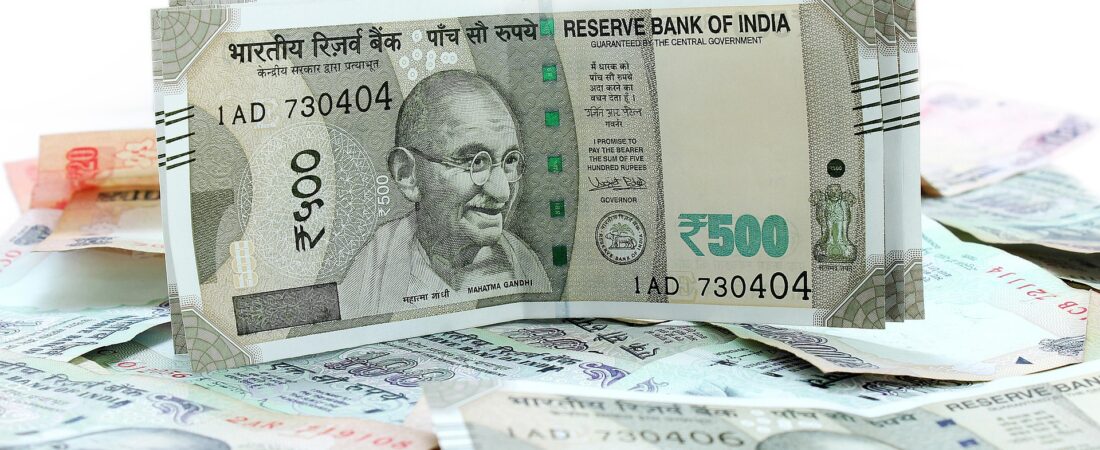
The decision comes amid two major challenges: skyrocketing printing costs and the rapid deterioration of paper currency.India spent ₹6,372 crore on printing banknotes in FY2025 — up sharply from ₹5,101 crore the previous year. At the same time, 23.8 billion soiled and damaged notes were destroyed in FY25 alone, a 12.3% rise from the previous year. Currency in circulation has also hit a record high of ₹42.86 trillion as of May 2026.What Are Polymer Banknotes?
Unlike traditional cotton-paper notes, polymer banknotes are made from a special plastic substrate. They are:- 2 to 4 times more durable than paper notes
- Water and dirt resistant
- Equipped with advanced security features like transparent windows and specialized inks, making counterfeiting far more difficult
- Fully compatible with ATMs
Which Notes Will Be Tested First?
RBI is expected to begin the pilot with lower denomination notes — ₹10 and ₹20 — as these circulate the most frequently and tend to wear out faster than higher-value denominations. A wider rollout to other denominations would follow, depending on the outcome of the pilot.Challenges Ahead
The transition is not without concerns. Experts have raised questions about how polymer notes will perform in India’s extreme heat and humidity. Environmental concerns around the disposal of plastic-based currency and questions around manufacturing feasibility have also been flagged during earlier evaluations. Public acceptance will also be a critical factor.What This Means for India
If the pilot succeeds, India could join a growing list of nations that have moved away from paper currency entirely. The reform could significantly reduce the country’s annual currency printing bill and improve the overall quality and security of banknotes in circulation.Lens Point Network will continue to track this developing story closely.Source: Business Standard, The Federal, Outlook Business | Published by Lens Point Network